Germany is Europe's largest economy and home to world-class universities with free or near-free tuition for all students — including Indians. With globally ranked institutions, a booming job market, an 18-month post-study work visa, and engineering excellence, Germany offers exceptional value for ambitious Indian students.
Why Germany
Germany combines world-class education, free tuition, a strong job market, and one of the most respected engineering cultures in the world.
Most German public universities charge no tuition fees — even for international students. You pay only a semester contribution of €150–€350, often including a public transport pass. It is among the best-value higher education systems globally.
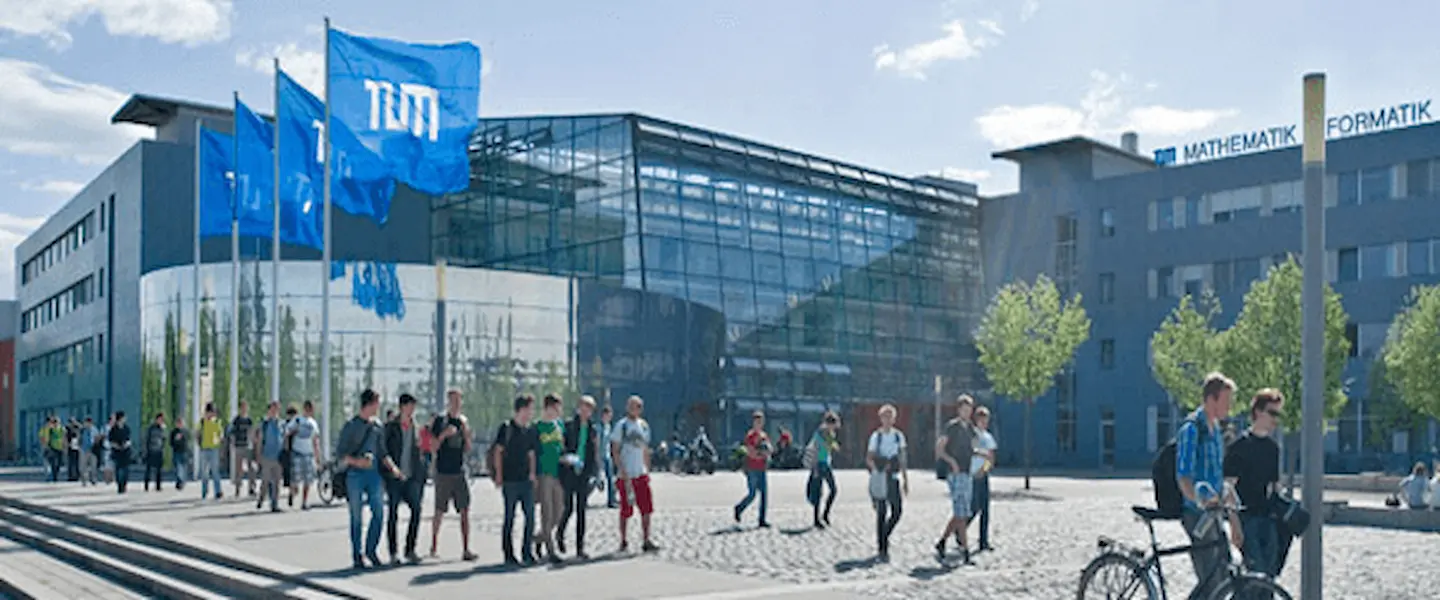
Home to TUM, RWTH Aachen, and Heidelberg University, Germany leads the world in engineering, automotive, pharmaceutical and computer science research. A German engineering degree is recognised and respected worldwide.
Graduates can apply for an 18-month job-seeker visa to find skilled employment in Germany. With a chronic shortage of engineers and IT professionals, Indian graduates are highly sought after by German employers.
Germany's central location in Europe, strong Schengen travel access, and powerful economy make it an ideal base. Working in Germany opens doors to careers across the EU — with one of the highest graduate salaries in Europe.
Top Cities & Universities
Six of Germany's key study destinations — from the capital to historic university cities and industrial hubs.
Technical University of Munich (TUM), Ludwig Maximilian University (LMU) — Germany's top-ranked universities. Europe's strongest startup ecosystem and home to BMW, Siemens and MAN.
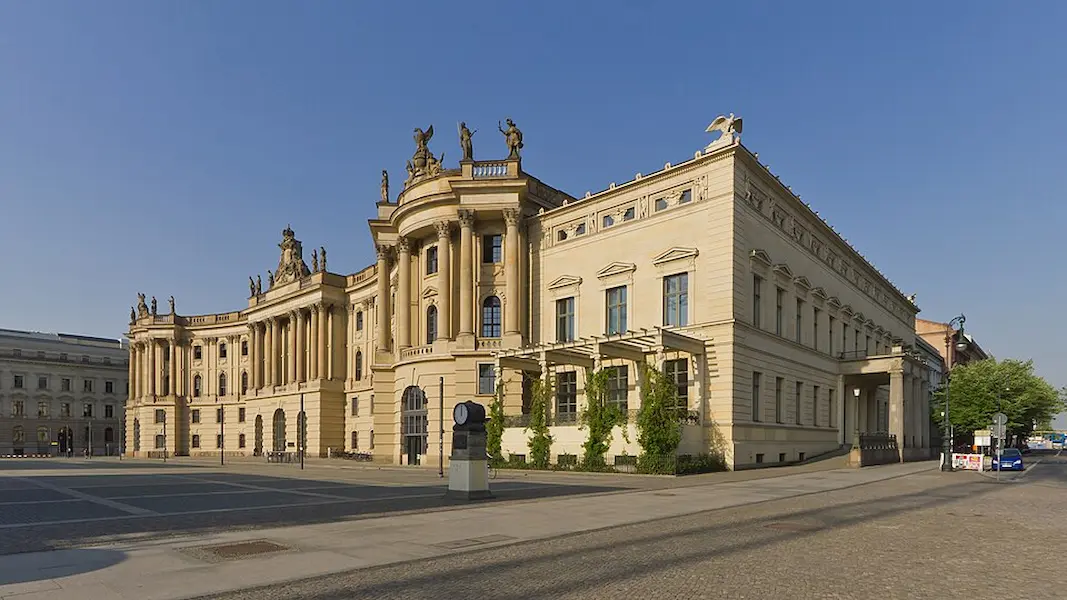
Humboldt University, Free University of Berlin, TU Berlin — Germany's capital and largest city. A global tech hub with a thriving startup scene and vibrant international student community.
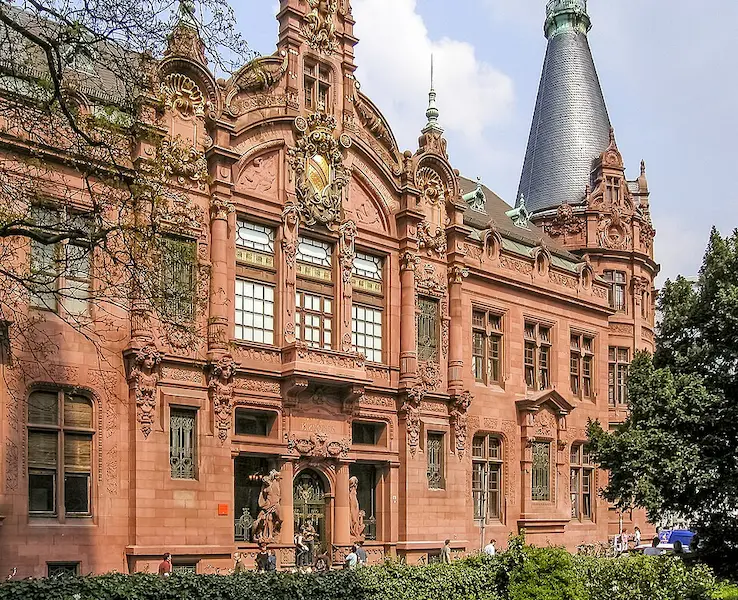
Heidelberg University — Germany's oldest university (1386) and consistently ranked among Europe's best. World-renowned for medicine, life sciences, natural sciences and law.
University of Hamburg, Hamburg University of Technology — Germany's second-largest city and major port. Strong in business, logistics, international law, and engineering with excellent industry links.
RWTH Aachen University — one of Europe's leading technical universities, ranked among the world's best for engineering. Strong ties with automotive and manufacturing industries.
Goethe University Frankfurt — Germany's financial capital and home to the European Central Bank. Excellent for finance, economics, business administration and law with strong industry placement.
Required Documents
Every box mapped, every form verified by our counsellors before submission.
Official letter of admission (Zulassungsbescheid) from your German university confirming your programme, start date and enrolment — mandatory for the student visa application.
Mandatory document verification certificate for Indian students issued by the APS (Akademische Prüfstelle) office. Required by both universities and the German Embassy before visa processing.
A German blocked account with a minimum deposit of €11,208/year (€934/month) to prove financial self-sufficiency. Opened via Fintiba, Deutsche Bank or Coracle before your visa appointment.
Passport valid for the duration of your studies plus at least 6 months, with minimum 2 blank pages. Required at the visa appointment at the German Embassy or Consulate.
Valid health insurance covering the period from arrival until you can enrol in German statutory student health insurance (gesetzliche Krankenversicherung). Required at the visa stage.
Motivation letter explaining your academic background, your reasons for choosing Germany and your specific university, and your career goals after graduation.
Certified copies of all academic qualifications — verified through the APS process. English or German translation required. Our team manages the full document preparation and verification.
IELTS / TOEFL for English-taught programmes; TestDaF or DSH for German-taught programmes. Requirements vary by university and programme — our counsellors confirm exact thresholds for each application.
What it costs
Approximate annual costs for an Indian student. Public university tuition is free — your main costs are living and the blocked account.
Most public universities charge no tuition. Semester contribution of €150–€350 covers admin and often a public transport pass. Private universities charge €5,000–€20,000/year.
Accommodation, food, transport and health insurance. Munich and Frankfurt are costlier; smaller cities like Aachen, Heidelberg and Göttingen are more affordable.
Minimum deposit required before the visa appointment — €934/month released to you upon arrival. This is your money; it is not a fee. Deposited via Fintiba or Deutsche Bank.
💡 Total first-year budget: typically €12,000–€16,000 (≈ ₹10–14 lakhs) — among the most affordable in Europe for a top-tier education. Get a personalized estimate →
Your Roadmap
Our end-to-end process — from APS to departure — can have you on a German campus within 6–9 months.
Review your academics, language scores, and budget — match you to the best-fit German universities and programmes. Identify scholarship opportunities (DAAD and university grants). Week 1–3
Submit academic documents to the APS office in New Delhi or Mumbai for mandatory verification. Takes 4–6 weeks. We prepare your complete APS dossier and guide you through the interview if required. Week 4–10
Apply via uni-assist or directly to the university — prepare SOP, references and portfolio where needed. Receive your official admission letter (Zulassungsbescheid). Week 8–20
Open Sperrkonto and deposit €11,208. Book German Embassy visa appointment and submit complete application — APS certificate, admission letter, blocked account confirmation, insurance. Week 20–28
Visa issued — valid for 3 months to enter Germany. Register at the Einwohnermeldeamt on arrival and convert to a full residence permit at the Ausländerbehörde. Pre-departure briefing included. Week 28–36
Must Read
Best Study Abroad Destinations Beyond USA, UK, Canada & Australia in 2026
Why Germany is one of the top emerging choices for Indian students — and what else is worth considering.
FAQs
Quick answers to the questions our Germany visa counsellors hear most from Ahmedabad students.
Yes — most German public universities charge no tuition fees for undergraduate and postgraduate programmes, including for international students. You typically pay only a semester contribution of €150–€350 which covers administration and often a public transport pass. A handful of state universities (e.g. Baden-Württemberg) charge non-EU students up to €3,000/year, but the vast majority are free. Private universities do charge tuition.
The APS (Akademische Prüfstelle) certificate is a mandatory document verification process for Indian students applying to German universities. You must submit your academic documents to the APS office in New Delhi or Mumbai for verification. The process takes 4–6 weeks and costs around €75. Without an APS certificate, most German universities will not process your application and the German embassy will not issue a student visa. Our team guides you through the full APS process.
A blocked account (Sperrkonto) is a German bank account where you deposit a fixed amount before arriving in Germany to prove you can support yourself financially. The German government requires a minimum of €11,208 per year (€934/month) deposited in a blocked account. Each month, that amount is released to you. Popular providers include Fintiba, Deutsche Bank and Coracle. Our counsellors assist you in opening the blocked account well ahead of your visa appointment.
Yes — international students in Germany can work up to 120 full days or 240 half days per year without a work permit. This allows part-time and student jobs (Werkstudent positions) alongside your studies. Germany's strong economy and high wages make part-time work a practical way to supplement living costs. Working beyond the limit requires prior approval from the Federal Employment Agency (Bundesagentur für Arbeit).
After completing your degree, Germany offers an 18-month job-seeker visa to find skilled employment in Germany. With a chronic shortage of engineers and IT professionals, Indian graduates are highly sought after by German employers. Once you secure a job, you can convert to a work residence permit. Germany is actively seeking skilled workers across engineering, IT, healthcare and sciences.
Not necessarily — Germany has a rapidly growing number of English-taught Master's programmes, particularly in engineering, computer science, business and natural sciences. Over 1,500 English-taught programmes are available at German universities. However, Bachelor's programmes are mostly taught in German. Learning basic German improves your daily life and job prospects significantly. Our team advises which programmes are available in English based on your profile.
Free Consultation
Tell us where you are in your journey — we'll call back within 24 hours with personalized advice.
🔒 Your details are safe with us. We never spam or share your information.